
How to Build a Loyalty Program for UAE Restaurants Using WhatsApp
I watched a lunch rush in Dubai and felt the noise settle.
I saw regulars return, then disappear for weeks.
I built a WhatsApp loyalty program that brought them back.
Quick Answer / TL;DR
In short, I kept the program simple and personal. I collected opt-ins, tracked visits with tags, and rewarded repeat meals fast. I used WhatsApp as the habit layer, not as a billboard.
Table of Contents
I started with a tight intro and clear definitions.
I built the program using a repeatable step plan.
I added a mistakes section to prevent common slips.
I included templates, a compact FAQ, and key takeaways.
I ended with one calm call to action.
Intro
I walked into a small restaurant in Sharjah and smelled grilled spice. The manager looked tired but polite, and the tables turned fast. The place had loyal guests, yet those guests drifted away quietly. I built a loyalty program on WhatsApp because it matched how people already communicated in the UAE.
I kept the goal practical. I wanted repeat visits without complicated apps. I wanted a system staff understood during rush hour, even on a busy Friday. I also wanted messages that felt like a welcome, not a push, and that mattered.
Context / Definitions
A WhatsApp loyalty program meant customers opted in and received rewards through WhatsApp. I used it to track visits, send reward updates, and share small offers. I treated consent as a core rule, not a small checkbox. I also used bilingual messages when the audience needed it, in a simple Arabic and English mix.
A loyalty program “worked” when it increased repeat visits and average spend. It also worked when staff did not hate using it, which mattered a lot. I defined “reward” as something customers wanted soon, not later. One example stayed useful: I gave a free dessert after three visits, and guests returned quicker.
Main Body
A) Step-by-step “How To”
Step 1: I chose one loyalty model that staff handled
What I did: I picked a simple model, either “visit stamps” or “spend points,” and I wrote it in one page. I also set a clear reward ladder with two levels only.
Why it worked: The team remembered it during rush, and customers understood it fast.
Example/tools: I used a printed counter card that explained rewards in a few lines.
Mistakes to avoid: I avoided five reward tiers, and I avoided rewards that arrived too late for people.
I kept the rewards tied to signature items. I used items with stable margins, like tea, dessert, or side dishes. I also set a minimum spend when needed, in a gentle way. I kept the rule set simple for the staff, not for my ego, which felt important.
Step 2: I set up WhatsApp Business the right way
What I did: I used WhatsApp Business, added a complete profile, and set working hours. I prepared quick replies for common messages, and I used labels for tracking.
Why it worked: It reduced staff typing and kept follow-up consistent.
Example/tools: I used labels like “New,” “Regular,” “Reward Due,” and “VIP,” in WhatsApp itself.
Mistakes to avoid: I avoided mixing staff personal numbers with the business line, which caused a privacy mess.
I built a calm tone for messages. I wrote like a host, not like a brand poster. I kept the message length short, and I avoided shouting words. I also saved a few polite lines for Arabic greetings, which felt respectful in the UAE setting.
Step 3: I designed opt-in moments inside the restaurant
What I did: I collected opt-ins at natural moments, like after payment or during pickup. I asked the staff to offer it as a benefit, not a demand.
Why it worked: Customers joined when the experience felt good, and timing stayed smooth.
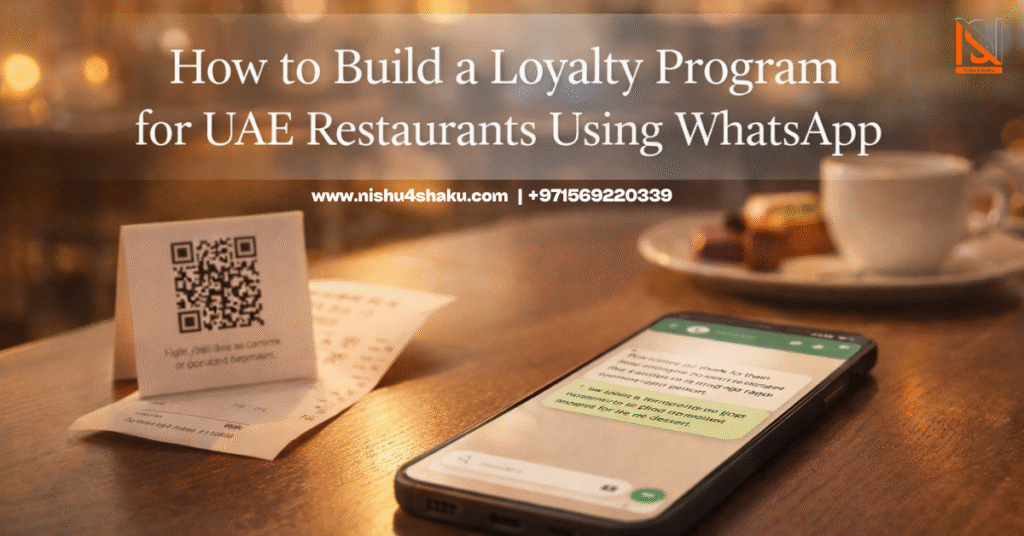
Example/tools: I used a small QR on the receipt and a table tent, with a short joining line.
Mistakes to avoid: I avoided asking at the door, because it felt awkward and rushed.
I trained staff with a single script. I kept it short enough to remember. I also told them to stop after one offer, so it stayed polite. In a busy dining room, that respect built trust, and it kept energy clean.
Step 4: I built a simple tracking method that survived rush hour
What I did: I tracked visits with a quick routine: label the chat, add a short note, and update a simple counter. I kept a backup sheet for daily totals, in case phones failed.
Why it worked: It reduced errors and kept rewards accurate.
Example/tools: I used WhatsApp labels plus a small Google Sheet on the side, and staff updated it at the end of shift.
Mistakes to avoid: I avoided relying on memory, because memory slipped under heat.
I made the tracking feel light. I wrote customer names as they preferred, and I respected privacy. I also kept notes minimal, like “2 visits” or “Dessert due,” and nothing more. That restraint helped the team feel safe, and it helped customers stay comfortable.
Step 5: I created message flows that felt human
What I did: I wrote three message types only: a welcome, a reward update, and a gentle reactivation. I sent updates after a visit, not randomly.
Why it worked: Customers understood the rhythm and stopped muting the chat.
Example/tools: I used quick replies for each message, and I kept them under two short lines.
Mistakes to avoid: I avoided daily promotions, because it turned WhatsApp into noise fast.
I used warmth with restraint. I used a greeting, then value, then a clear next step. I also used one emoji rarely, or none, because tone mattered. The best messages felt like a waiter remembering you, which sounded small but changed everything.
Step 6: I made rewards immediate and easy to redeem
What I did: I designed rewards that staff redeemed in one step, using a simple code or a saved message. I wrote a redemption line that the staff recognized instantly.
Why it worked: It prevented arguments and kept service flowing.
Example/tools: I used a “Reward Due” label and a saved message that said the reward clearly.
Mistakes to avoid: I avoided complicated coupon rules, because they created conflict.
I also set a soft expiry window. I kept it fair, not strict. I used language like “valid this month,” instead of harsh deadlines. That tone felt more Emirati-hospitality aligned, in a way, and customers responded with calm.
Step 7: I measured results and adjusted without drama
What I did: I tracked three numbers weekly: opt-ins, repeat visits, and redemptions. I compared quiet weekdays to peak weekends, and I adjusted offers accordingly.
Why it worked: It showed what actually changed behavior, not what looked nice.
Example/tools: I used a simple weekly sheet and a short staff note after each shift.
Mistakes to avoid: I avoided changing the program every week, because consistency created trust.
I listened to staff feedback closely. I watched where mistakes happened. I also asked customers for one line of feedback sometimes, but I kept it optional and soft. Those small observations shaped the program more than big marketing ideas, and the results stayed steady.
“Common Mistakes” Section
I saw many restaurants overcomplicate the loyalty logic. They used too many tiers and made rewards hard to claim. Staff then forgot rules mid-service, and customers felt awkward. I kept the program small, and it stayed alive.
I also saw consent handled poorly at times. Some places added people without clear permission, and customers felt uneasy. I asked for an opt-in clearly and respected “no” without a second push. That respect protected the brand and kept the list healthy.
I noticed message frequency ruined programs fast. Too many offers made people mute chats, then the channel died. I kept messages tied to visits and rewards, not to boredom. The quiet approach felt slower, yet it worked better over time.
Examples / Templates / Swipe Files
I used a simple welcome message that sounded like a host. I wrote it in two lines and kept it warm. I included the reward rule once, then I stopped repeating it. I also saved it as a quick reply, which reduced staff stress on busy shifts.
I used a reward update message that felt satisfying. I told customers their current count and what came next. I kept it friendly and specific, and I avoided pressure. The update felt like progress, and progress created repeat visits.
I used a reactivation message that stayed respectful. I avoided guilt language and avoided big discounts. I reminded them of their progress and offered a small, time-bound bonus. That balance felt fair for the restaurant and the guest, and it kept dignity.
FAQ
FAQ: Opt-in and customer comfort
I kept opt-ins clear and voluntary. I used a QR and a short staff line, and I waited for the customer to act. I avoided adding numbers manually without clear permission, even when it felt faster. That choice kept trust intact, and trust drove repeat visits.
FAQ: Bilingual messaging and tone
I used simple language and avoided heavy marketing words. I wrote short Arabic greetings when the audience preferred it, and I paired it with clear English lines. I kept the same tone across both languages, so it felt consistent. The calm tone reduced misunderstandings, and it helped staff too.
FAQ: Preventing fraud and confusion
I kept redemption rules simple and visible to staff. I used labels and a saved message that staff checked quickly. I also limited rewards to one per customer per cycle, which stayed fair. That clarity prevented arguments and protected the program.
FAQ: Handling busy hours without slowing service
I shifted admin tasks to the end of shift. I asked the staff to label chats quickly, then finish notes later. I kept the on-the-spot process under ten seconds. That timing protected service speed, and it protected the guest experience.
Summary / Key Takeaways
I picked one loyalty model and kept it readable.
I set up WhatsApp Business with labels and quick replies.
I collected opt-ins at natural moments after good service.
I tracked visits with a simple routine and a backup sheet.
I sent messages that felt human, short, and reward-based.
I made rewards easy to redeem in one step.
I measured weekly and adjusted slowly, not constantly.
Call to Action
I treated WhatsApp like a relationship channel, not a discount channel. I built the program with restraint and clear rules. I trained staff with one script and one routine, and the system held up. I suggested you start with a two-week pilot, then expand with confidence, and keep it simple.
